A forest at full capacity
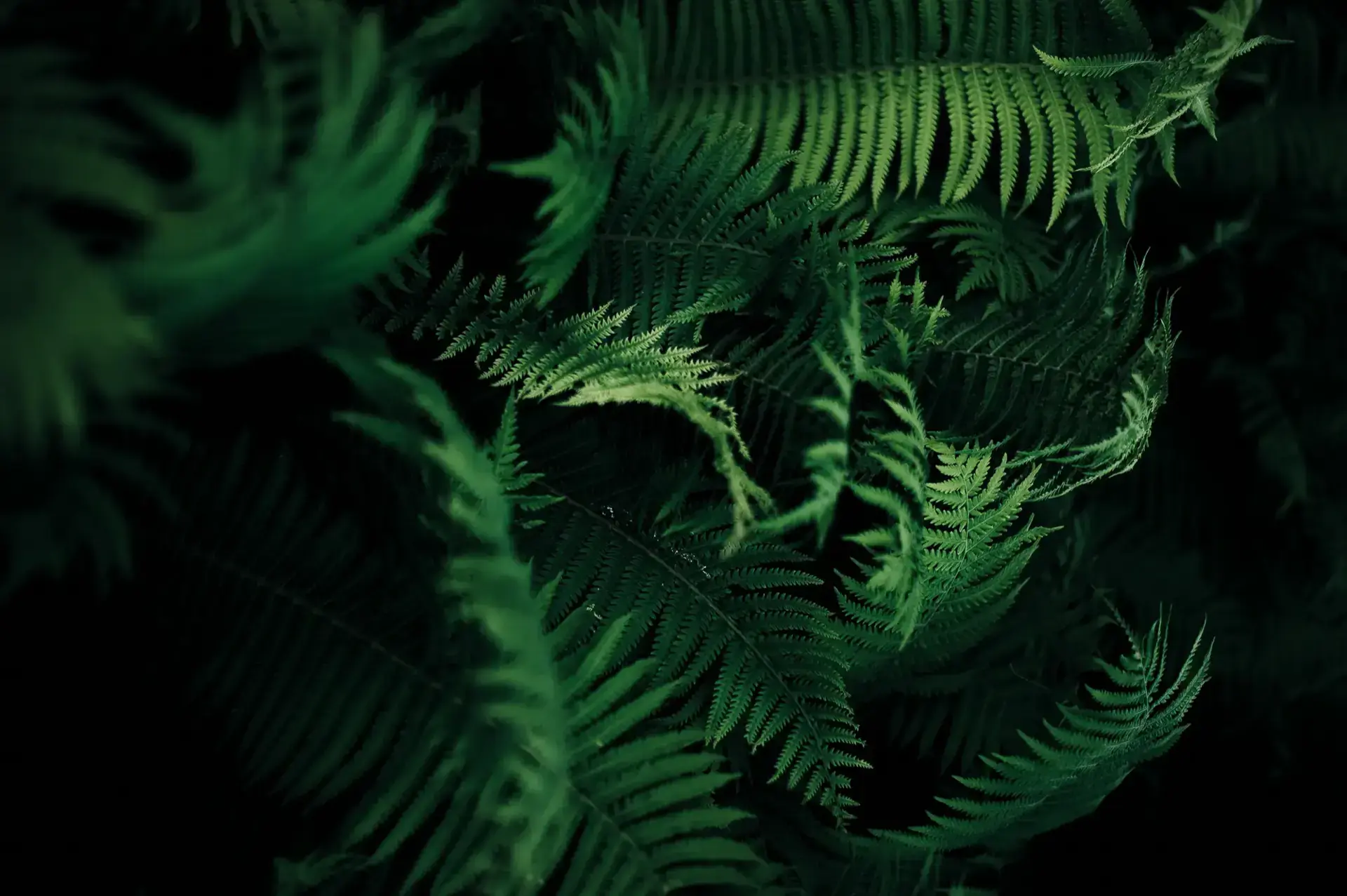
Wychwood in June is doing everything at once. The pedunculate oaks — the species that defines this forest, and on which an extraordinary 326 specialist invertebrate species depend entirely — are in full canopy. The light that reaches the ground comes down in moving columns through the leaves, bright one moment, gone the next. Below the oaks, hazel and field maple and hawthorn fill the middle layer. Below that, herb-Paris grows in the deep shade: a small, four-leaved plant that ecologists use as an indicator of ancient woodland continuity. Where it grows, the woodland has been undisturbed for centuries. It grows here.
In the damper corners, adder’s-tongue fern. In the glades, wild honeysuckle is in flower, which matters because the white admiral butterfly lays its eggs on honeysuckle and nowhere else. The adults emerge in June. If you see one — white-banded wings, that distinctive gliding flight between wingbeats — you are watching something that requires intact ancient woodland to exist... It is not a butterfly you find anywhere.
In the canopy above all of this: nuthatch, treecreeper, marsh tit. The marsh tit is a species worth pausing on. It is a bird of ancient, undivided woodland — it does not cross open ground, does not colonise new plantings, does not adapt to fragmented habitat. Its presence here is a measure of what this forest is: old, continuous, and large enough.
What people have always known about this day
Wychwood was designated a Royal Hunting Forest in the Domesday Book of 1086. Cornbury, where TreeDwellers stands, began as the royal hunting lodge at its heart. Norman kings came here for deer. But people were in this landscape long before the Normans formalised it — Bronze Age barrows sit on the high ground around the former forest boundary, evidence of communities that organised their lives around the same annual rhythms this land still runs on.
The solstice has been marked since the Neolithic. Stonehenge is the obvious example, but the impulse to pay attention to the longest day was not specific to one culture or one place. Celtic and Germanic peoples lit hilltop bonfires at midsummer — not as a spectacle but from a practical belief that fire could sustain the sun’s strength through the second half of the growing season. The Vikings held assemblies at midsummer, using the long days to settle disputes and make decisions that would carry through winter. The medieval church absorbed the date into the feast of St John the Baptist on 24th June, three days after the astronomical event, but the bonfires continued. Midsummer fairs ran in English towns for centuries.
What these traditions share is not mysticism. They share an acknowledgement that the longest day is not neutral — that being present for it, and doing something intentional with that presence, is a different experience from letting it pass unnoticed. For me, that still holds.
What does the summer solstice do to the body?
The science of how natural environments affect the nervous system has become more rigorous in the past two decades, but the basic finding isn’t surprising: extended time in natural settings, particularly woodland, shifts the brain from a state of directed, effortful attention toward something more diffuse and restorative. Researchers call it ‘soft fascination’ — the kind of attention that is engaged but not depleted, interested but not strained. A nuthatch moving down a trunk. Light shifting in the canopy. The sound of the Forest Megaphone catching whatever the woodland is doing. None of it demands anything of you and all of it holds you.
At midsummer, this effect is extended by the simple change of the light. You have more hours in which to be outside in it. The evenings here in June run long and warm, and the quality of the light in the last two hours before dusk — gold, then amber, moving through the oak canopy — is something difficult to describe to people who haven’t seen it. It doesn’t feel like late evening. It feels like the day is holding on.
The brain, for its part, is responsive to this. Longer natural light exposure supports circadian regulation — better sleep, more stable mood, lower cortisol. We are, at a biological level, designed for this kind of day. The problem is that most of us rarely get one.
Treehouse stays near the summer solstice — Wychwood Forest, Oxfordshire
The solstice falls on a Sunday this year and these days are extra special. The luxury of late June, in an ancient woodland in Oxfordshire, when the sun doesn’t set until after nine and the sky doesn’t reach anything you’d call dark until past eleven — and even then only barely — and the white admirals are flying and the marsh tit is somewhere in the canopy above your deck.
Those days don’t repeat. The solstice comes around annually, but the specific condition of this forest in this week — the exact state of the canopy, the exact species on the wing, the exact quality of light on the particular evenings between the 21st and the 26th — won’t be replicated. Join us.
If you want to be here for it, book a stay at TreeDwellers at treedwellers.co.uk from £249/night.